Clinical Opiate Withdrawal Scale: What You Need to Know

Medical Providers:
Dr. Michael Vines, MD
Alex Spritzer, FNP, CARN-AP, PMHNP
Clinical Providers:
Natalie Foster, LPC-S, MS
Last Updated: September 19, 2025

The Clinical Opiate Withdrawal Scale (COWS) is an essential tool for assessing the severity of opiate withdrawal. Designed to help healthcare providers evaluate symptoms objectively, the COWS supports creating treatment plans that are tailored to each individual navigating opioid cessation.

Using a structured and standardized approach, the COWS allows clinicians to measure both observable signs and personal experiences of withdrawal. This guidance helps healthcare professionals make informed decisions, ensuring safer and more effective management of opiate withdrawal while improving overall patient outcomes.

Our Opioid Addiction Treatment Centers

Seek professional help today. Start your journey to overcome opioid withdrawal.

What is the Clinical Opiate Withdrawal Scale?

The Clinical Opiate Withdrawal Scale (COWS) is a trusted tool that helps measure the severity of opioid withdrawal symptoms during detox. It evaluates 11 common symptoms—like sweating, anxiety, and nausea—rating each from 0 to 4 depending on how intense they are. By using the COWS, healthcare providers can gain a clear picture of a patient’s withdrawal experience and design treatment plans that address symptoms effectively, ensuring safer and more personalized care.

How is COWS Administered?

To use the Clinical Opiate Withdrawal Scale (COWS), a healthcare professional assesses a patient’s withdrawal symptoms across 11 key areas. Each symptom is rated from 0 to 4, where 0 means no symptom and 4 indicates a severe symptom. The scores are then totaled, with higher scores reflecting more intense withdrawal.

The criteria and scoring include:

  • Resting Pulse Rate: <80 bpm (0), 80–100 bpm (1), 100–120 bpm (2), >120 bpm (4)
  • Sweating: None (0), mild (1), moderate (2), severe (4)
  • Restlessness: None (0), mild (1), moderate (2), severe (4)
  • Pupil Size: Normal/pinpoint (0), medium (1), large (2), severe dilation (4)
  • Bone or Joint Aches: None (0), mild (1), moderate (2), severe (4)
  • Runny Nose or Tearing: None (0), mild (1), moderate (2), severe (4)
  • Gastrointestinal Upset: None (0), mild (1), moderate (2), severe (4)
  • Tremor: None (0), slight (1), moderate (2), severe (4)
  • Yawning: None (0), mild (1), moderate (2), severe (4)
  • Anxiety or Irritability: None (0), mild (1), moderate (2), severe (4)
  • Gooseflesh Skin: None (0), piloerection present (1), obvious on arms (2), present on face, arms, and trunk (4)

By systematically evaluating these signs, clinicians can get an accurate understanding of withdrawal severity and guide safe, personalized care.

Don't face opioid withdrawal alone. Reach out for compassionate support.

The Clinical Opiate Withdrawal Scale (COWS) helps measure how severe withdrawal symptoms are for individuals going through opioid detox. Recognizing these symptoms is essential for healthcare providers to offer the right care and support, ensuring a safer and more comfortable withdrawal process.

icon showing the effects of addiction on the body include Increased heart rate

Resting Pulse Rate

This checks your resting heart rate, or how fast your heart beats while at rest. A higher rate can indicate more severe withdrawal symptoms.

Icon depicting excessive sweating which is one withdrawal symptom of drug addiction

Sweating

We observe your sweating to gauge how intense your withdrawal symptoms are. Increased sweating usually indicates more severe discomfort.

icon depicting irritability

Restlessness Observation

We monitor signs of restlessness to understand how uneasy or agitated you may be during withdrawal.

icon depicting that symptom of addiction is constricted pupils

Pupil Size

We check the size of your pupils, as larger-than-normal pupils can indicate more intense withdrawal symptoms.

icon showing muscle pain

Bone or Joint Aches:

Withdrawal can cause aches or discomfort in your bones and joints, ranging from mild soreness to more intense pain.

snorting icon for addiction

Runny Nose or Tearing

We observe if your nose is runny or your eyes are tearing, which helps indicate how uncomfortable your withdrawal symptoms are.

Icon Diarrhea

GI Upset

We check for stomach-related symptoms such as nausea, vomiting, diarrhea, or abdominal pain, which help indicate the severity of your withdrawal.

Icon Shaky Hands

Tremor

We watch for involuntary shaking or trembling, which can signal the presence and intensity of withdrawal symptoms.

icon depicting drowsiness the side effects of addiction

Yawning

Frequent yawning is a common sign of withdrawal, and more yawns can indicate that your symptoms are more intense.

Anxiety or Irritability

During withdrawal, you may experience increased anxiety or irritability, ranging from mild unease to intense agitation.

Icon Allergic Reaction

Gooseflesh Skin

Goosebumps or small bumps on your skin can be a sign of withdrawal, with more pronounced bumps often indicating more severe symptoms.

Take the first step towards recovery. Schedule a consultation with our specialists now!

What Are the Risks of the COWS?

The Clinical Opiate Withdrawal Scale (COWS) helps measure how severe withdrawal symptoms are for individuals going through opiate detox. While it’s a valuable tool in clinical care, it’s important to be aware of potential risks when using it.

Photo Showing A Medical Staff Monitoring The Progress Of Patient

Misjudging withdrawal symptoms can lead to misunderstanding the patient’s condition, which may result in inappropriate or less effective treatment.

medical profession showing a chart

Relying solely on a single score can overlook how unique each person’s withdrawal experience is, which may lead to treatment that isn’t fully effective or tailored to their needs.

photo of a medical professional

If healthcare providers aren’t properly trained in using the scale, they may apply it incorrectly, which can lead to misunderstandings about the severity of withdrawal symptoms.

a doctor going over a clients treatment plan

Sometimes patients may exaggerate or underreport symptoms to receive medication, which can make it harder for healthcare providers to accurately assess their needs and provide the right treatment.

man in blue dress shirt beside a medical professional

The scale can be applied differently across clinics or treatment settings, which means patients might not receive the same level of care everywhere.

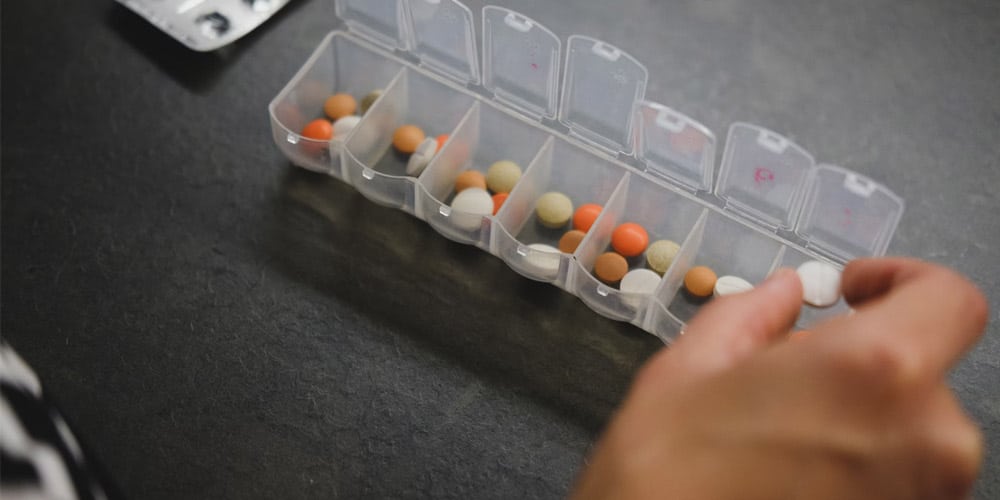
person about to pick medicine from medicine organizer

Relying only on the scale score to guide treatment can lead to overmedicating or undermedicating, which may worsen withdrawal symptoms or create other complications.

Discover personalized treatment options. For opioid withdrawal tailored to your needs!

Opioid Detox With COWS

Opioid detox using the Clinical Opiate Withdrawal Scale (COWS) involves carefully evaluating withdrawal symptoms to guide treatment and support throughout the process.

Healthcare providers track COWS scores to decide the right timing and dosage of medications, like buprenorphine or methadone, to help ease withdrawal symptoms safely. This individualized approach improves both the safety and effectiveness of detox, making the transition to abstinence or ongoing maintenance treatment smoother and more manageable.

The Clinical Opiate Withdrawal Scale (COWS) is an essential tool for both healthcare providers and individuals navigating opioid withdrawal, helping ensure a safe and structured recovery process. If you or a loved one is experiencing withdrawal symptoms, seeking professional medical support is crucial for a safe and effective detox.

At Arizona IOP in Scottsdale, Arizona, we provide a compassionate and supportive environment for those struggling with drug and opioid use. Reach out to our team to learn more about our opioid treatment programs, tailored to meet your unique needs and recovery goals.

Don't let opioid withdrawal control your life. Let us guide you towards a brighter, drug-free future.