
Only 38% of Employees Seek Addiction Help From Their Company's HR Department


Learn how your company can “Do Better”

We interviewed over 800 professionals from 30 different industries, and despite their varied backgrounds, one clear message emerged: HR teams are eager to support employees battling addiction, yet more than half of those employees don’t feel comfortable seeking help.

To address this gap, Arizona IOP — one of Arizona’s premier addiction treatment centers — conducted an in-depth analysis of the findings and outlined five practical steps HR professionals can take to make employee support programs more approachable and effective.
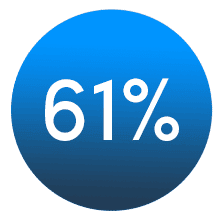

Addiction in the Workplace by the Numbers

of HR professionals have reported an uptick in alcohol-related issues among employees since the onset of the COVID-19 pandemic.

of HR professionals reported feeling comfortable initiating conversations with employees about addiction or mental health concerns.

of employees have experienced heightened symptoms of anxiety or depression since the beginning of the COVID-19 pandemic.

Implement Company-Wide Change with these tactics

1. Help Employees Understand Addiction

The root causes of addiction differ from person to person, often stemming from factors such as trauma, mental health challenges, difficult life events, or external pressures. HR professionals play a crucial role in reducing the stigma surrounding addiction by implementing supportive policies that encourage employees to seek help and by fostering workplace education that promotes understanding and compassion.

2. Remove Barriers to Treatment

Reaching out for help involves more than simply acknowledging a problem—it often means overcoming a range of obstacles. Common barriers to seeking treatment include work and family obligations, financial constraints, privacy concerns, feelings of shame or embarrassment, fear of workplace repercussions, and difficulty finding a rehab facility that aligns with an individual’s specific recovery needs.

3. Create an Inclusive Company Culture

Addiction recovery focuses on developing healthier coping mechanisms and new ways of managing life’s challenges. For this reason, it’s essential that employees feel supported and understood when disclosing struggles with alcohol or drug use. Organizations that take a compassionate, non-punitive approach to addiction are far more likely to encourage openness and help employees seek the treatment they need.

4. Communicate with Employees More Often

Over half of employees—57%—don’t know whether their company’s HR department offers support for alcohol, drug, or mental health concerns. This highlights why simply mentioning addiction resources during onboarding or in an employee handbook isn’t sufficient. Addressing sensitive issues like addiction requires ongoing communication to continually reinforce that help and support are available whenever employees need it.

5. Develop Partnerships Around Recovery

Revitalize your company’s approach to addiction by implementing proactive programs and strategic partnerships. Organizations that combine robust employee assistance programs (EAPs) with collaborations from accredited addiction treatment centers can provide employees with timely, effective support—helping them begin their recovery journey sooner.

download

Oops! We could not locate your form.